
Emergencies, particularly those involving cardiac arrest, can strike without warning, and responding quickly and correctly can mean the difference between life and death. In such high-pressure situations, it’s crucial to know the proper steps to take. One of the most common and life-saving actions you can perform is Cardiopulmonary Resuscitation (CPR). But what about Emergency Medical Services (EMS)? When should you call EMS for adults and adolescents in medical emergencies?
This blog will help clarify when and how to activate EMS during critical situations. By understanding the process, you’ll be better equipped to help in emergencies and provide timely life-saving interventions.
1. Understanding CPR and Its Critical Role
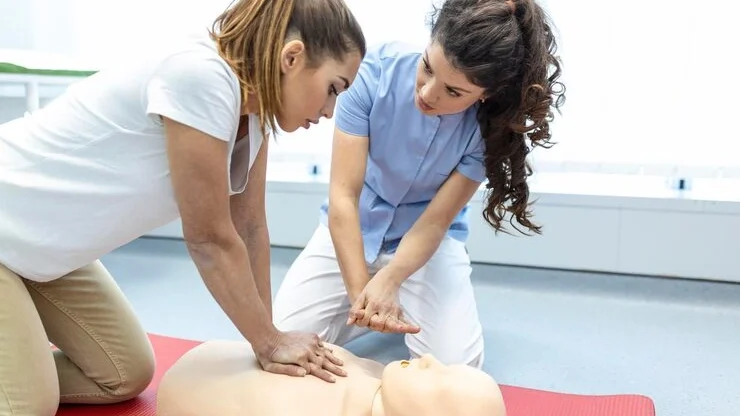
CPR is a vital skill in any emergency where someone has stopped breathing or has no pulse. Cardiopulmonary Resuscitation involves performing chest compressions and, if necessary, rescue breaths to keep blood circulating to vital organs like the brain and heart. By doing this, you increase the person’s chance of survival until professional help, in the form of EMS, arrives on the scene.
CPR is especially important when a person goes into cardiac arrest. Cardiac arrest is when the heart unexpectedly stops beating, leading to a loss of blood flow. Without immediate intervention, this can be fatal. However, CPR can help keep oxygen circulating through the body, particularly to the brain, and can buy critical time before emergency services can take over.
Knowing when to start CPR is vital. But equally important is knowing when to call EMS. Calling EMS should be one of the first steps, as it ensures that professional medical help is on the way while you provide CPR or other necessary interventions.
2. Key Moments in CPR and EMS Activation
Before Performing CPR:
When an adult or adolescent collapses or becomes unresponsive and isn’t breathing, one of the first things you should do is call EMS. The reason EMS should be activated before starting CPR is simple: while you’re performing CPR, EMS will be on their way to provide advanced care and assist in stabilizing the patient. Delaying EMS activation could result in precious moments lost.
Here’s how you should proceed in such a situation:
- Ensure the scene is safe: Before approaching the person, make sure the area around them is safe.
- Check responsiveness: Gently tap the person and shout to see if they respond.
- Call EMS: If there’s no response, call 911 or your local emergency number. Make sure to provide clear information about the situation and the location.
- Check for breathing and pulse: If the person is not breathing or has no pulse, begin CPR immediately.
- Start CPR: Focus on chest compressions (at a rate of 100-120 per minute) until help arrives or an AED is available.
- Use AED if possible: If an Automated External Defibrillator (AED) is nearby, use it as directed. AEDs can help restart the heart by delivering a shock if necessary.
After Performing CPR for 2 Minutes:
If you’re alone and witness the collapse of an adult or adolescent, it’s recommended that you start CPR immediately for 2 minutes before calling EMS. The reason for this is that starting CPR as quickly as possible helps keep blood flowing and increases survival chances. After performing CPR for 2 minutes, then you should call EMS to ensure help arrives while continuing to provide CPR.
However, if someone else is around, it’s important that they call EMS immediately so that no time is wasted. Calling EMS right away allows the operator to dispatch emergency services without delay, and it ensures that the medical team is on the way to assist you.
AED and EMS Coordination:
If there is an AED available, it should be used immediately after you start CPR. An AED can help restart the heart by delivering a controlled shock to the chest, which is crucial for patients suffering from certain types of cardiac arrest, such as ventricular fibrillation. In these cases, EMS should already be on the way, and you should continue CPR and use the AED as necessary.
3. Misconceptions About EMS Activation
There are a few common misconceptions about when to activate EMS during emergencies. Let’s clear those up:
- Myth: “I should call EMS only after starting CPR.”
Fact: The correct protocol is to call EMS first, before you begin CPR. Professional help will be on the way while you start CPR, which increases the chances of survival. - Myth: “I can only call EMS if an AED is available.”
Fact: EMS should always be called when CPR is needed, regardless of whether or not an AED is available. The presence of an AED simply helps in restarting the heart more quickly, but calling EMS should never be delayed. - Myth: “I can check pulse and breathing at the same time.”
Fact: It’s important to check for breathing and pulse separately. Simultaneously checking both may confuse the assessment. For accuracy, check one at a time, and if both are absent, begin CPR.
As part of the consent process, the federal regulations require researchers to: Ensure that those conducting medical research and training programs are well-versed in CPR techniques and the correct protocols, like activating EMS, to ensure safety and proper care in emergencies.
4. Why Early EMS Activation Improves Survival Rates
Studies have shown that early activation of EMS significantly improves the chances of survival for individuals who experience sudden cardiac arrest. Every minute counts in these situations, and prompt professional care can increase survival rates dramatically.
In fact, for every minute that passes without CPR or defibrillation, the chances of survival decrease by 7-10%. EMS professionals are trained to provide advanced care, including airway management, defibrillation, and drug administration. They are equipped with the tools and expertise to stabilize the person and transport them safely to the hospital.
In emergency cardiac situations, early defibrillation (via an AED) and the use of advanced EMS techniques can make all the difference in the patient’s recovery. The quicker you call EMS, the sooner they can intervene with potentially life-saving treatments.
5. Practical Steps for Adults and Adolescents

Here’s a quick summary of what to do in an emergency involving adults or adolescents:
- Assess the situation: Check if the person is unresponsive and not breathing.
- Call EMS immediately: Activation of EMS is a critical first step, ensuring help is on the way.
- Start CPR: If the person is unresponsive and not breathing, immediately start chest compressions.
- Use AED if available: If there’s an AED nearby, use it according to the instructions. AEDs are vital tools in cases of cardiac arrest.
- Continue CPR until EMS arrives: Do not stop CPR until EMS professionals take over the care.
In situations where you are alone, perform CPR for about 2 minutes, then call EMS. When there are others around, someone should immediately call EMS to ensure no time is wasted.
How long until 2:40? Time is always a factor in an emergency. Responding quickly can make a major difference. Every minute matters, and activating EMS early ensures that the right help arrives quickly.
6. The Importance of CPR Training
In any medical emergency, time is of the essence. Whether you’re at home, at work, or out in public, knowing how to respond in a crisis can make a life-saving difference. CPR (Cardiopulmonary Resuscitation) and First Aid training not only give you the skills needed to act quickly, but it also builds the confidence you need when faced with a life-threatening situation.
In emergencies, many people freeze, unsure of what to do. That hesitation, even for a few moments, can lead to tragic outcomes. CPR training eliminates that uncertainty by teaching you clear, simple actions that can be taken to help someone in distress. By becoming certified in CPR and First Aid, you’re preparing yourself to take immediate action, potentially saving someone’s life before emergency medical personnel can arrive.
Why CPR and First Aid Training Are Vital
CPR and First Aid are essential, life-saving techniques that can be applied to a variety of situations, such as choking, heart attacks, drowning, and accidents. Here are a few key reasons why getting CPR and First Aid training is crucial:
- Effective Response in Emergency Situations:
Emergencies happen unexpectedly. When someone experiences a sudden medical event—such as a cardiac arrest or severe allergic reaction—time is critical. CPR training teaches you how to recognize these emergencies, when to perform chest compressions, and when to administer rescue breaths. These techniques are vital in keeping a person alive until EMS arrives. - Improved Survival Rates:
Studies show that early CPR, especially within the first few minutes of a cardiac event, can significantly increase survival rates. In fact, for every minute that passes without CPR, the chance of survival decreases by about 10%. Being able to act immediately in an emergency situation can make all the difference. The faster you start CPR, the higher the likelihood of survival. - Confidence Under Pressure:
When a loved one or stranger collapses, it’s easy to panic. CPR training teaches you to stay calm and focused during a high-pressure emergency. With proper training, you’ll know exactly what steps to take, which helps reduce anxiety and increases your chances of successfully helping the person in need. - Increased Preparedness in a Variety of Situations:
Emergencies don’t only happen at home. Whether you’re at work, school, in a public space, or even while traveling, accidents and sudden medical events can occur at any time. CPR and First Aid training ensures that you’re ready to help no matter where you are or who needs assistance. - It Could Be a Loved One:
One of the most compelling reasons to learn CPR is the possibility that you may need to use it on someone you care about. Knowing that you can take immediate action to save a family member, friend, or colleague in an emergency situation is powerful. CPR training isn’t just about saving strangers; it’s about having the ability to protect those closest to you.
7. Final Thoughts
Knowing how to react in emergencies is crucial, and understanding when to activate EMS can make all the difference in the outcome. For adults and adolescents experiencing cardiac arrest, always call EMS before starting CPR. This ensures that professional help is on the way while you provide life-saving care. Early intervention, both in the form of CPR and EMS, increases the chances of a positive outcome.
content://com.android.browser.home/ Staying prepared and having the right information at your fingertips can save lives. Bookmark our website or set it as your homepage to ensure you’re always ready for the next emergency.
For more information on CPR and First Aid training, or to learn how you can better prepare yourself for emergencies, visit us today at PlantSumo.
To stay informed and prepared for emergencies, sign up for a CPR and First Aid class today. Don’t wait until it’s too late—learn how you can make a difference in someone’s life when it matters most.